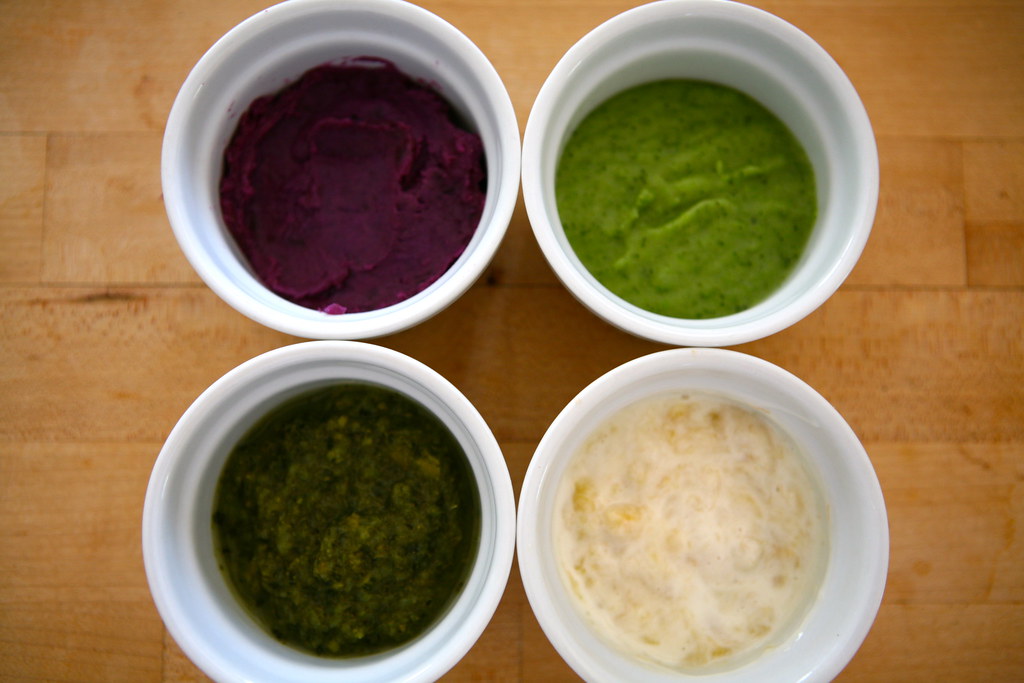
You can learn how to make baby food at home with a simple process: prepare produce, cook firm foods until very tender, then mash or puree and adjust the texture as needed. [1] For example, a cooked pear can be mashed with a fork, while a firmer vegetable may need cooking and blending before it becomes smooth. [1] For more detail, see Baby Food Recipes.
Keep the steps manageable: prepare the food so its texture is suitable for mashing, soften firm ingredients, and then choose how smooth or thick to make the result. [1] The right texture can vary as your baby’s eating skills develop, so you can adjust the preparation rather than aiming for one texture every time. [1]
Prepare the food
Wash produce, peel it when needed, and remove seeds or pits before mashing or pureeing. [1] For example, remove a peach pit and its skin before blending the fruit, or take the seeds out of produce when they would remain in the finished food. [1] These small preparation steps help you get a smoother result.
Cook firm foods until they are very tender before you mash or puree them. [1] Once softened, mash with a fork for a thicker result or puree in a blender for a smoother one. [2] If the puree seems too thick, add a little liquid and blend or mash again until it reaches the texture you want. [2]
Adjust the texture
A smooth puree is one option, but you can also mash food to leave more texture as your baby’s eating skills develop. [1] For instance, mash very tender cooked food with a fork rather than blending it completely smooth. Keep the finished food free of hard seeds, pits, or tough pieces. [1]
Work in small steps: soften the food, mash or puree it, then add a little liquid only if you need to loosen it. The process can stay simple, and you can adapt the texture to the food and your baby’s current skills. For more detail, see How to Introduce Baby Food.
What to get ready before you begin
Before you begin, choose a food that fits your baby’s feeding plan, set up a clean work area, and pick a tool that can give you the texture you want. A little preparation makes it easier to focus on the food and your baby rather than searching for supplies mid-task.
Choose an ingredient your baby has already been offered, or one that fits the plan you are following for introducing foods. [1] For example, if you are preparing a familiar pear, set out the amount you plan to use and the equipment you need before you start. If you are unsure whether a particular food fits your baby’s plan, check with your child’s health care professional.
Wash your hands, utensils, and work surfaces before handling food, and rinse fresh produce. [1] Put a clean bowl and spoon within reach, too, so you have somewhere to transfer the prepared food without setting a clean utensil on the counter. This small setup can be especially helpful when you are preparing food while caring for your baby.
Choose a tool based on the texture you want and what you have available: a blender or food mill can puree food, while a fork or masher can mash it. [2][1] For instance, a blender can help with a smoother result, while a fork may be all you need for a soft food you want to mash. You do not need a special appliance to get started; choose a tool you can use comfortably and clean afterward.
Leave out added salt and sugar when preparing your baby’s food. [3] Keep the ingredient simple rather than seasoning it to match adult tastes. Before you begin, gather the food, chosen tool, and a clean dish so the preparation steps can stay straightforward.
Prepare and cook the food until tender
Wash and trim the produce. Rinse fruits and vegetables, then peel them if the skin would make the cooked food tough or stringy. Remove seeds, pits, cores, and other hard parts—for example, take the pit out of a peach and the core out of an apple before cooking. [1]
Cut firm ingredients into manageable pieces. Smaller, evenly sized pieces are easier to cook through. Cut a firm vegetable such as a carrot into chunks, and keep pieces roughly similar in size so they become tender at about the same time.
Choose a cooking method that suits the food. You can steam or bake fruits and vegetables, or simmer them in water; these are practical ways to soften ingredients for homemade baby food. [4] For example, steam chopped vegetables in a covered pot, bake pieces on a baking sheet, or simmer fruit in a small pot.
Cook until very tender. Check a piece with a fork: it should give way easily rather than feel firm in the center. Cook time varies with the ingredient and piece size, so use tenderness—not a fixed timer—as your guide. The Academy of Nutrition and Dietetics recommends cooking food until it is very tender. [1]
Stay nearby while food cooks, and add water to the pot if simmering ingredients begin to dry out. If different ingredients need different cooking times, start the firmer ones first and add softer pieces later. That way, everything can finish tender without the softer ingredients cooking longer than needed. Once the food is cooked, move on to mashing or pureeing it to a texture your baby can manage.
Mash or puree to a texture your baby can manage
Mash or puree the food until it suits your baby’s current eating skills. For very soft cooked foods, press with a fork and check the result as you go. If you want a smoother texture, blend the cooked ingredients or run them through a food mill. [2][1]
Loosen a thick puree a little at a time. Stir in a small amount of water or another suitable liquid, then mix and check the consistency before adding more. This gives you control over how thick or thin the puree becomes.
Adjust the texture as your baby’s eating skills develop. You can move from a smooth puree toward thicker, mashed food rather than keeping every meal completely smooth. [1]
Keep any pieces soft and manageable for your baby. For example, mash a tender food thoroughly for a smoother result, or leave it a little thicker when your baby is ready for that texture. Avoid treating a particular consistency as the goal for every baby; use your child’s current skills to guide the adjustment.
Make small changes and check the result. If the mash seems too thick, add a little more liquid; if it is too thin, mash in more of the soft food. A fork works well for a small portion, while a blender or food mill can help when you want a smoother puree. [2][1]
The goal is a texture your baby can manage, not a perfectly uniform puree. As you prepare food, make one adjustment at a time and keep the pieces soft and appropriate for your baby’s current skills.
Check the texture before serving
Check each spoonful for a smooth, even texture and let it cool before serving. A quick look and a small taste can help you spot a firm lump or a temperature that feels too warm for your baby.
Look closely at the texture
Stir the food and check it from different angles, rather than judging only the surface. The mixture should be consistent, without hard chunks, bits of skin, seeds, or pits. [2][1]
For example, if a spoonful of pear has a soft puree around a firm piece, pause and mash or blend again until the texture is even. Remove any hard pieces you find instead of trying to serve around them. [2][1]
Cool and adjust before serving
Let cooked food cool to a comfortable temperature before offering it. Clemson’s guidance says to heat puree to about 180 °F or to a simmer, so allow it to cool before serving. [2]
If the food seems too thick, stir in a small amount of suitable liquid; if you still notice lumps, mash it more. Make one small adjustment at a time, then check the texture again so you can stop when it is easy for your baby to manage. [2][1]
Before each spoonful, check that there are no firm pieces and that the food feels comfortably cool. That final check gives you a simple chance to make the serving smoother or thinner if needed.
Simple mistakes to avoid
The main mistakes to avoid are pureeing food before it is soft enough, leaving hard or tough parts in the finished food, and choosing a texture that does not suit your baby’s eating skills. Cook food until very tender before mashing or pureeing it. [1]
Make sure the food is soft enough
A blender or food mill can make food smoother, but it does not replace cooking firm ingredients until they are very tender. If a piece of carrot or another firm food still feels hard when pressed with a fork, cook it longer rather than relying on the appliance to fix its texture. [1]
Check the texture after cooking, too. If the food is difficult to mash easily, give it more cooking time before blending; a smooth-looking puree is not a reason to overlook firm pieces.
Keep hard and tough parts out
Before serving, check for hard seeds, pits, and skins that could remain in the food. Removing skins and seeds before pureeing is part of preparing homemade baby food. [2] [1]
For example, a tough bit of peel or a seed left behind can make an otherwise smooth serving uneven. Take a moment to look over the prepared food and remove any hard or chewy pieces you find.
Match texture to your baby
Do not assume that all babies are ready for the same texture at the same time. Your baby’s eating skills should guide whether you offer a smoother puree or a thicker, mashed food.
If a texture seems too challenging, make the food smoother and softer; if your baby manages the current texture comfortably, you can continue offering it. Pay attention to how your baby handles each bite rather than following a one-texture-fits-all rule.
A careful final check can help you catch firm pieces, leftover skins, or seeds before serving. Keep the goal simple: food that is very tender, free of hard or tough bits, and prepared in a texture suited to your baby’s skills.
Keep the process simple
Keep homemade baby food simple: prepare and cook an ingredient until tender, then mash or puree it to a texture your baby can manage. [1] You do not need a complicated routine or a special appliance for every food; choose a tool that makes the texture you want. [4]
For example, a soft cooked fruit may be easy to mash with a fork, while a blender can help make a smoother puree from cooked vegetables. [1] A food mill is another option for pureeing ingredients, and a masher can work when you want a less-smooth result. [2] Let the food guide your choice: use a tool that gives you a texture suited to your baby’s current eating skills. [4]
As you prepare a batch, keep the steps straightforward: wash and prepare the ingredient, cook it until tender, then mash or puree it. [1] If the result is thicker or lumpier than your baby can manage, adjust it before serving rather than trying to make every food look the same. [4] The goal is a texture your baby can handle, not a perfectly smooth puree every time. [1]
Start with one ingredient and one tool, such as a fork for a soft food or a blender for a smoother texture. [4] Then check whether the finished food matches your baby’s current skills and adjust your approach next time. [1]